LibraryOS
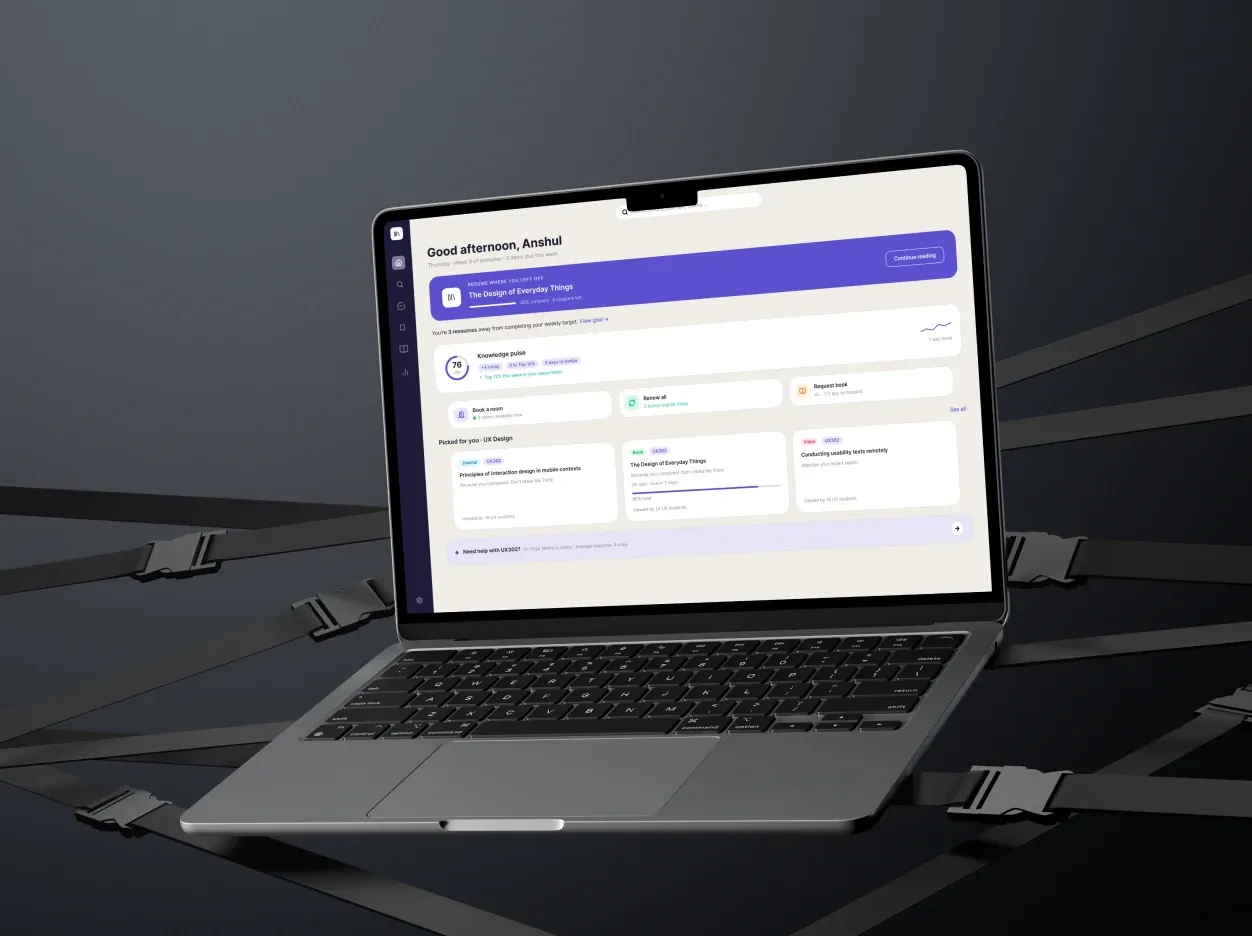
A unified learning workspace that connects resources, deadlines, focus sessions, progress, and the next meaningful action.
View LibraryOS case study ↗I like to create stunning visuals, explore how people interact with them, then reduce friction until the experience feels intuitive.
A unified learning workspace that connects resources, deadlines, focus sessions, progress, and the next meaningful action.
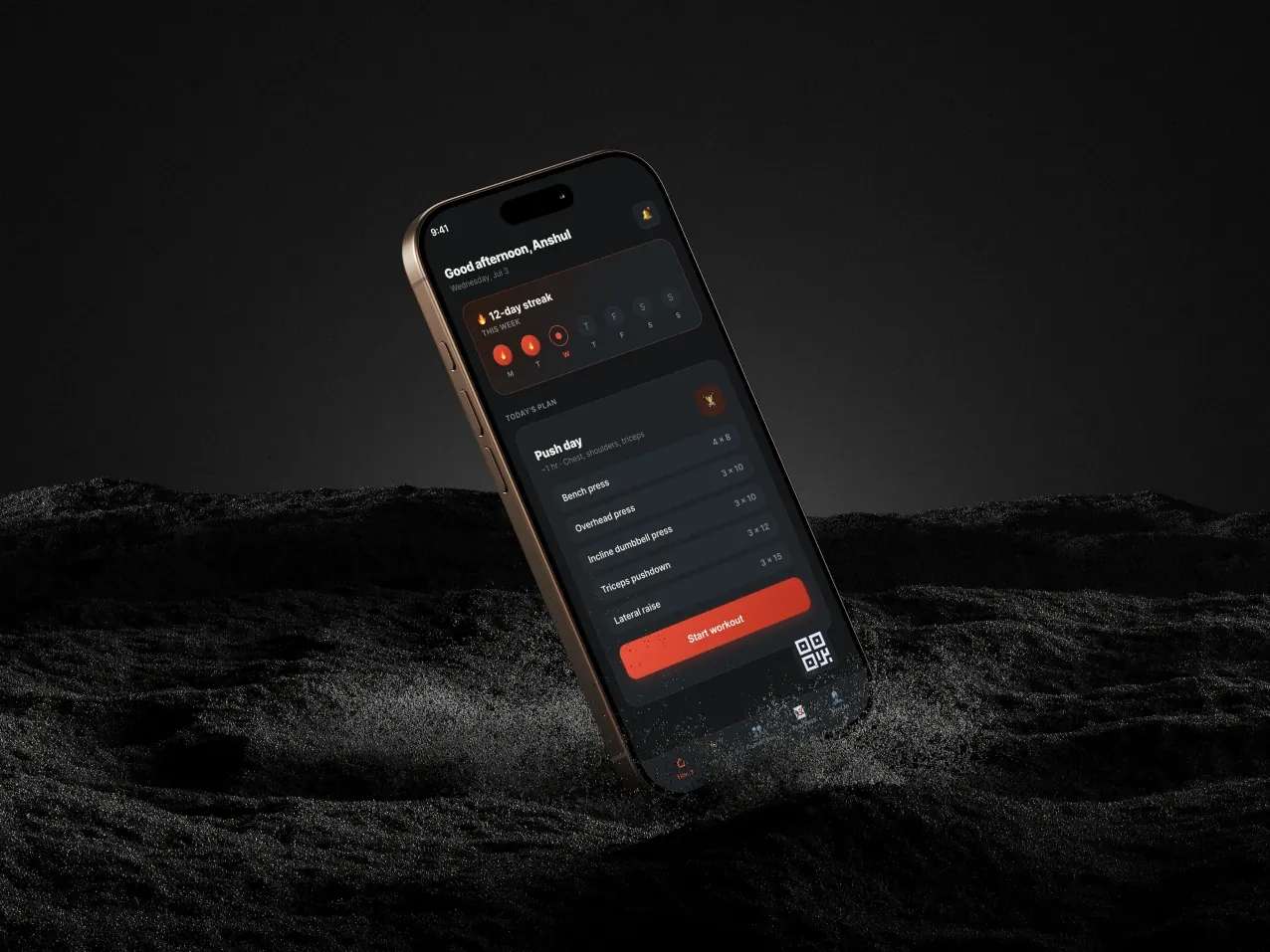
View LibraryOS case study ↗A fitness experience designed for the moment motivation fails, reframing progress around recovery and return rather than perfect streaks.
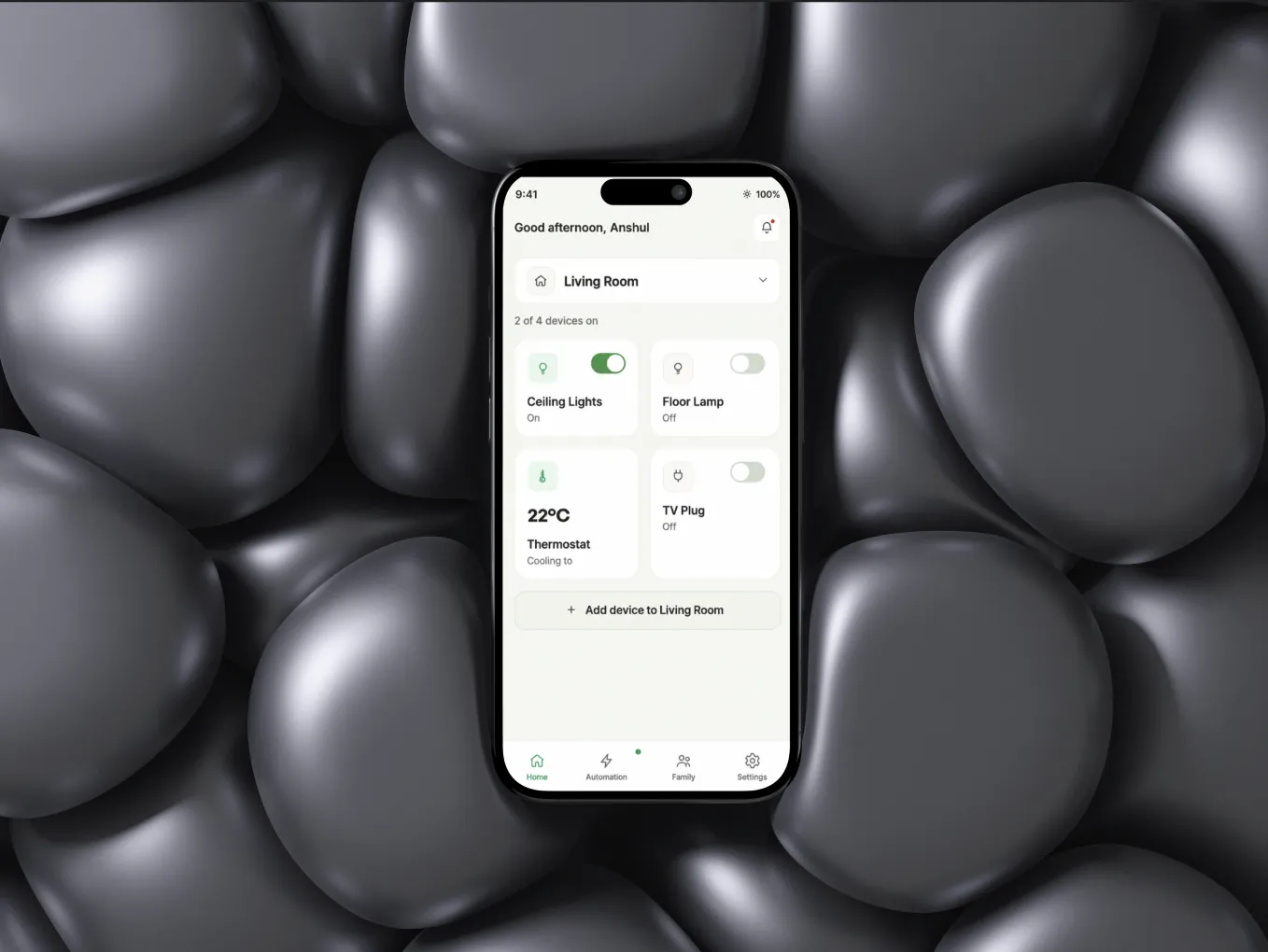
View Forge case study ↗A room-first control system that matches how people locate things in a home, instead of asking them to navigate a technical device inventory.
View Atlas case study ↗I start with what people naturally do, not what the interface expects them to do.
I keep digging until I understand what’s actually causing the problem, not just where it shows up.
I look for the change that solves the underlying problem without adding unnecessary complexity.
I put the idea in front of people, question my assumptions, and refine it based on what I learn.
I didn’t start out trying to become a designer.
I started in software, building interfaces and making sure things worked. Over time, I found myself caring less about how to build a screen and more about why it was designed that way.
I started noticing the small things — awkward flows, edge cases, and interactions that could make something feel much simpler. That curiosity slowly pulled me from implementation into product design.
I still think like an engineer sometimes, and I like that. I care about what happens after the mockup and how a design decision behaves in the real product.
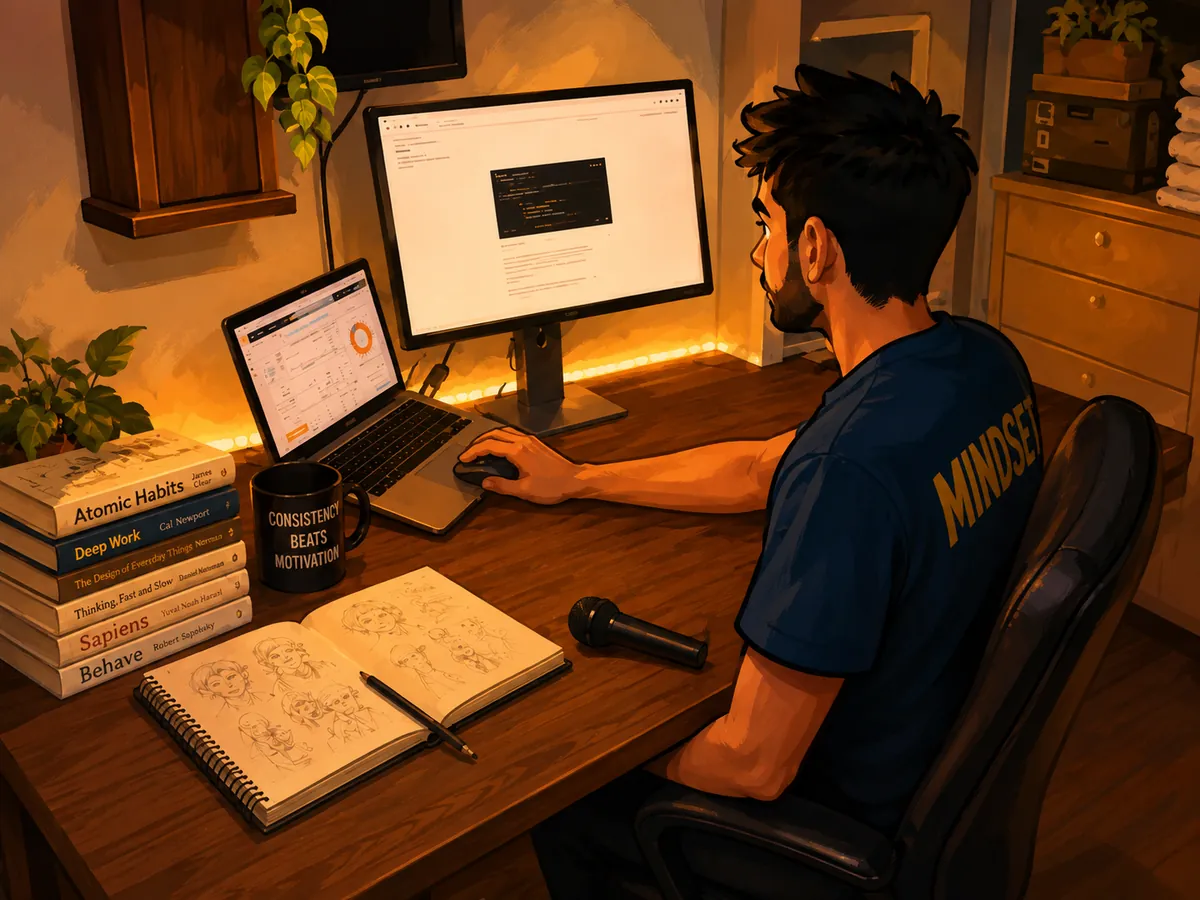
Outside of design, I read, sketch, make music and beatbox.
My first professional environment made software engineering feel collaborative, practical, and accountable.
I became faster at translating an idea into states, components, and a functioning experience.
A mature product made edge cases, technical trade-offs, and responsibility much more visible.
The longer I built, the more I wanted to shape hierarchy, behaviour, and flow before implementation began.
I switched from development to UI/UX because I became more interested in why an experience worked—the hierarchy, behaviour, and interaction decisions that prevent confusion before implementation begins.
BEYOND DESIGN
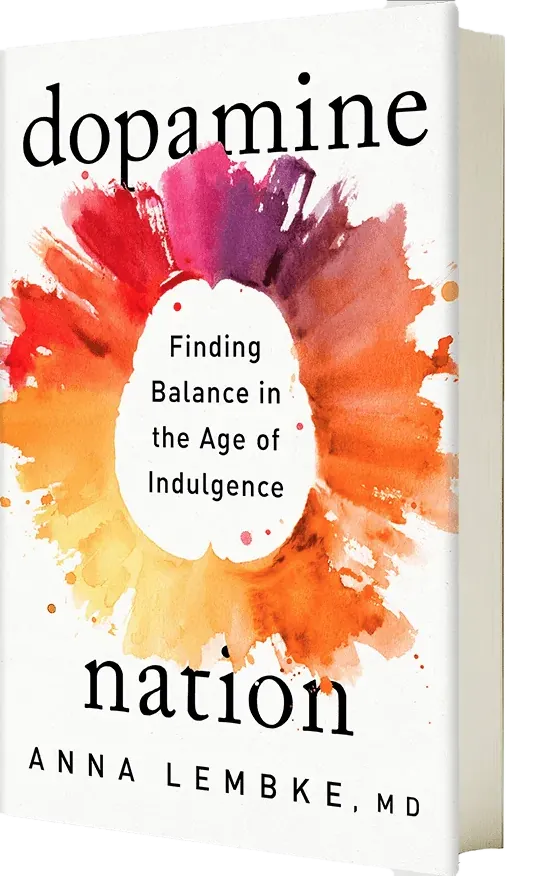
Learned how constant exposure to high-reward stimulation can distort our baseline for pleasure and motivation. It made me more conscious of instant gratification and the value of deliberately choosing discomfort.
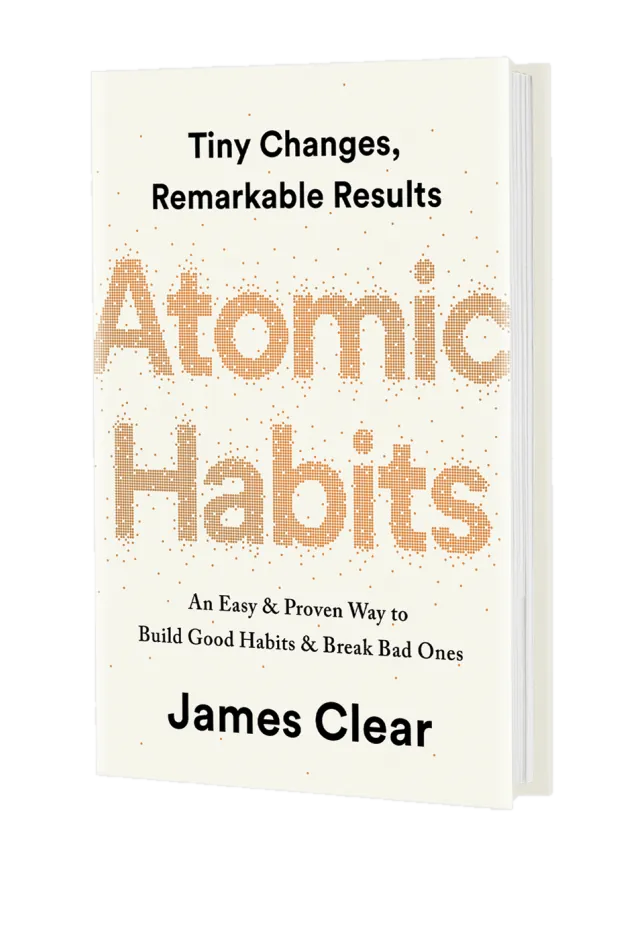
Learned that meaningful change comes from designing systems rather than relying on motivation. Small, consistent improvements compound over time, and shaping my environment can make good behaviours easier to repeat.
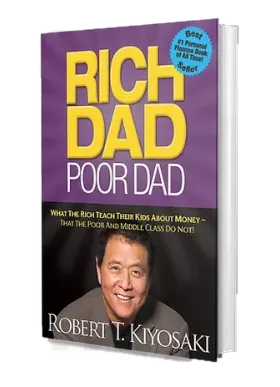
Changed how I think about money, especially the difference between earning income and building assets. I learned to think beyond salary and focus more on ownership, cash flow, and financial independence.
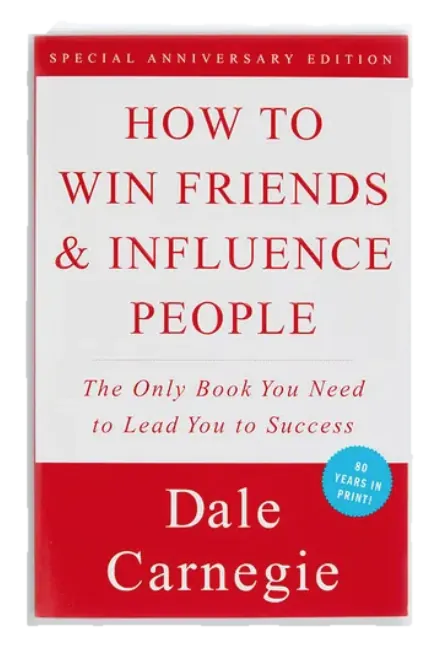
Learned that influence starts with genuinely understanding people rather than trying to impress them. Listening, showing appreciation, and making people feel valued often matter more than having the smartest argument.
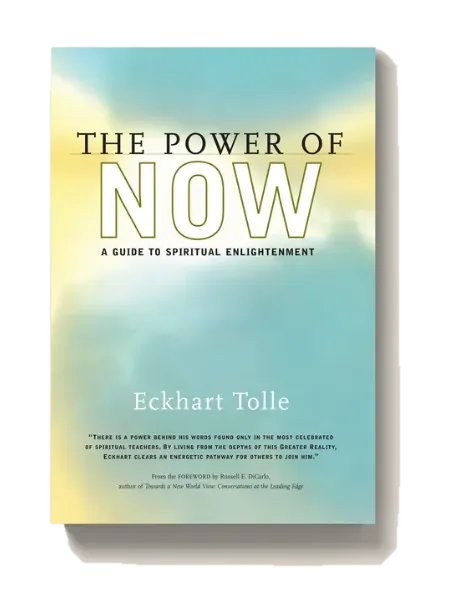
Learned to notice how much mental energy comes from replaying the past or anticipating the future. The biggest takeaway was learning to step back from my thoughts and engage more directly with the present.
BEYOND DESIGN
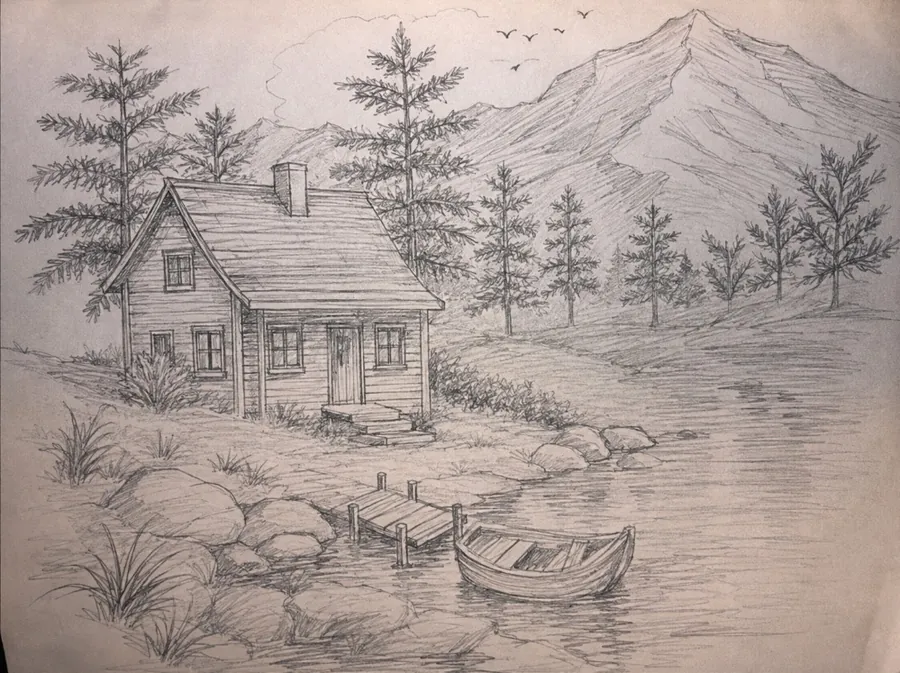
I started this because I liked the idea of a tiny cabin that feels cut off from everything else—the boat and dock came later because the scene felt too still without them.
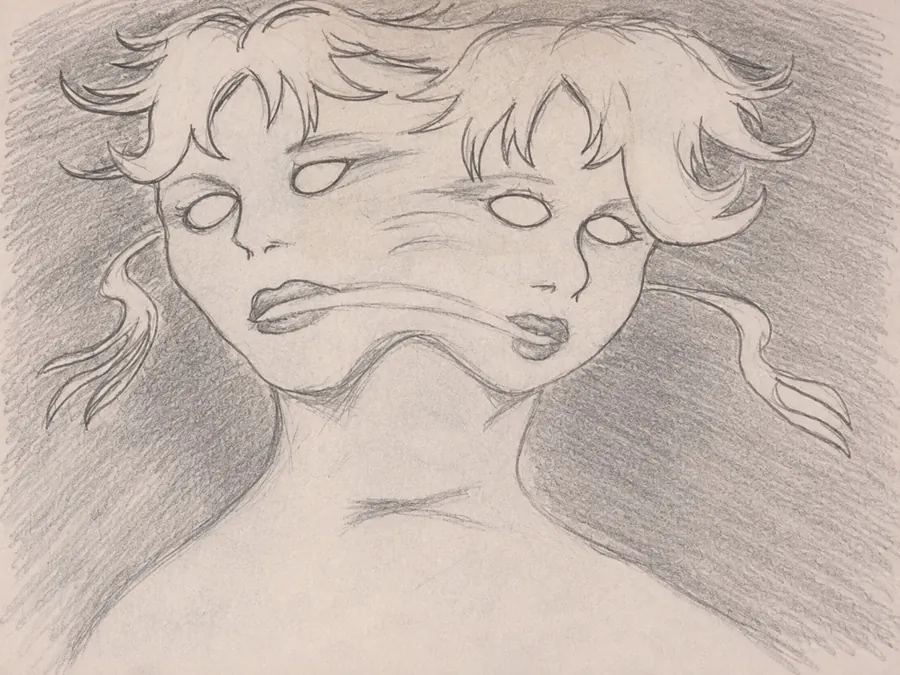
This one was me thinking about hypocritical, two-faced people—the kind who can be completely different depending on who they’re talking to.
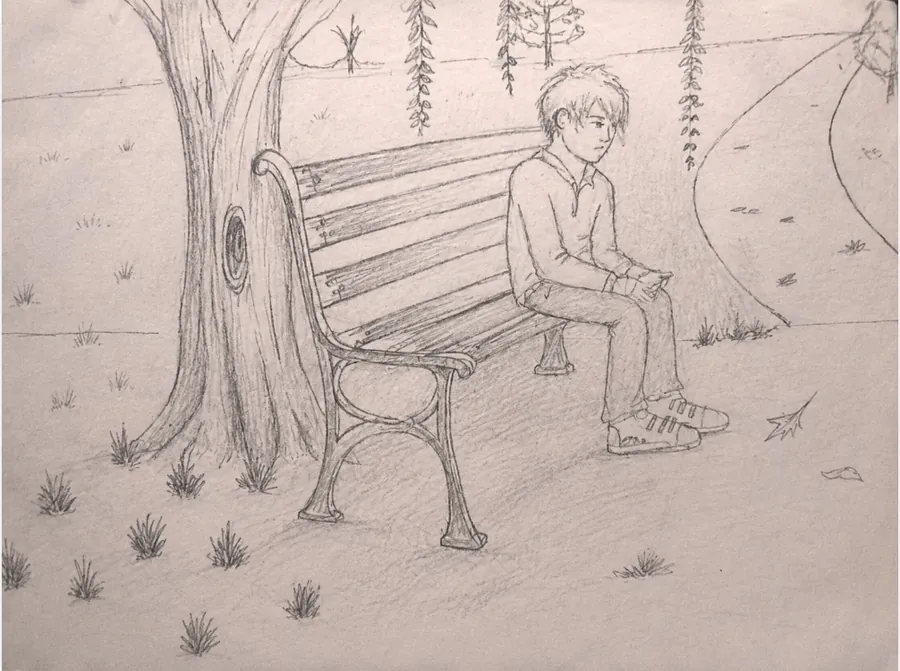
This is literally me sitting alone in a park trying to figure life out for a bit. I wanted it to feel as quiet and isolated as that moment was.
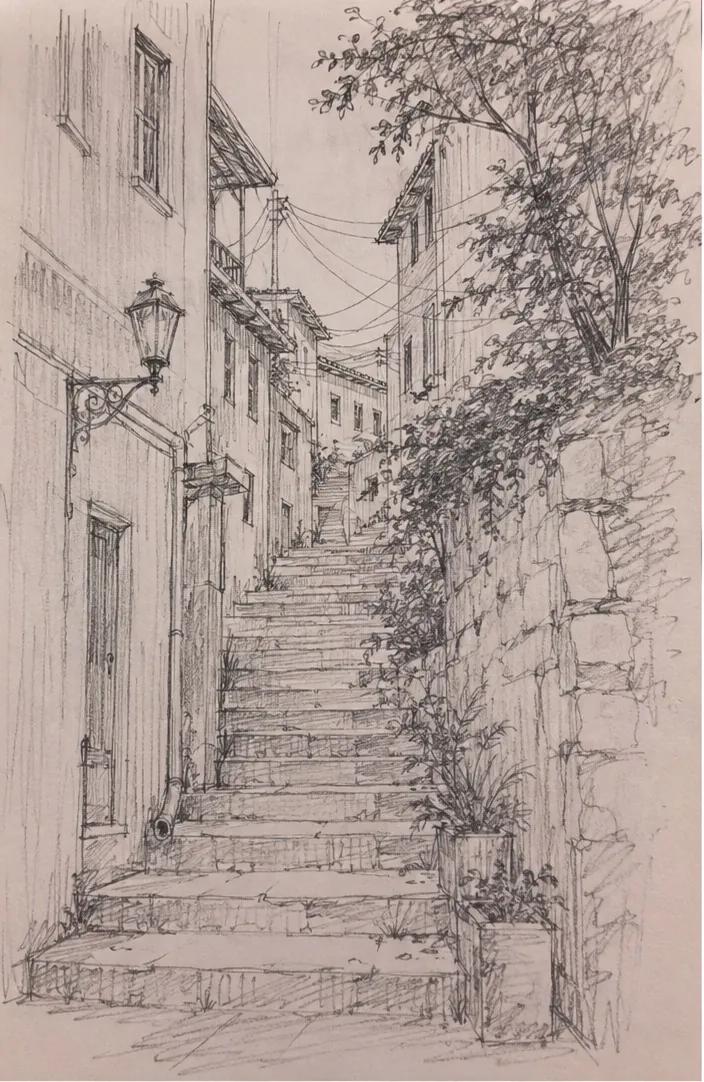
I have a thing for stairways like this because they instantly make me wonder what is at the top; I probably spent way too long on the tiny windows, wires and plants.
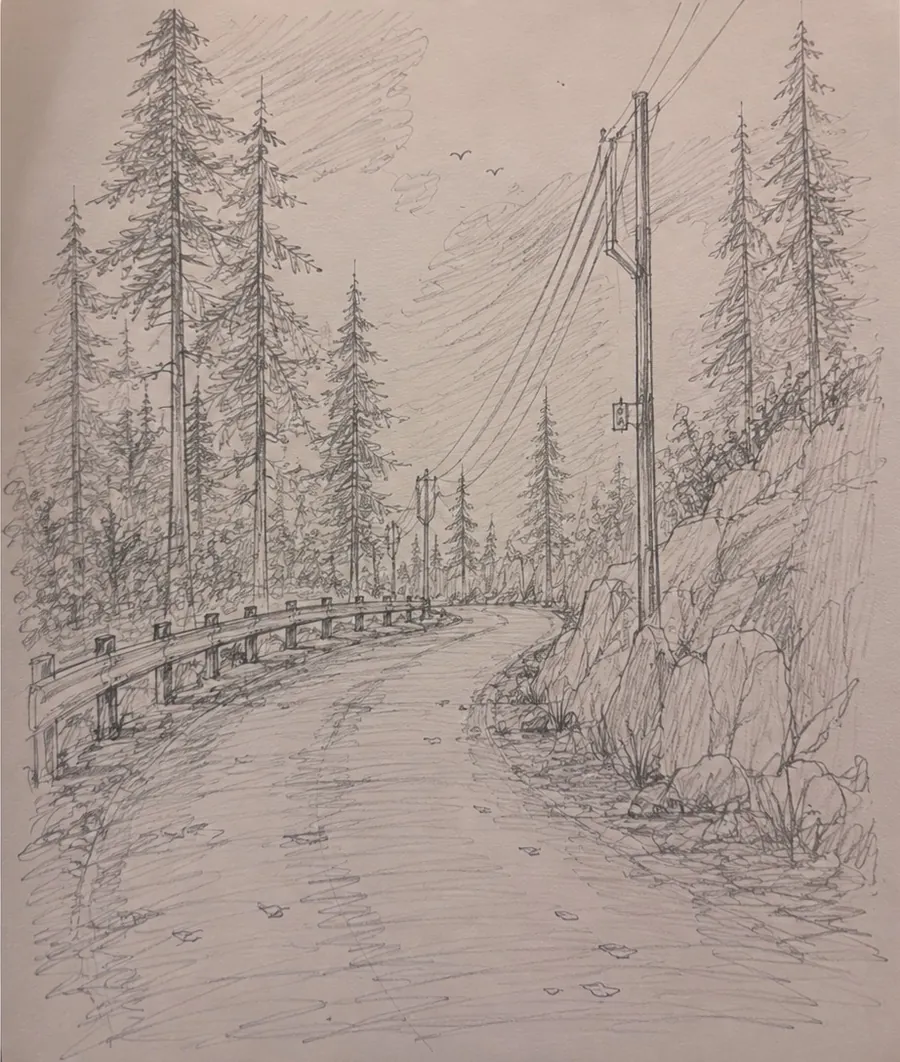
This is basically the kind of road I would happily disappear down for a while—trees, no traffic, and just enough mess around the edges to make it feel real.
BEYOND DESIGN